
Wellness · November 5, 2026
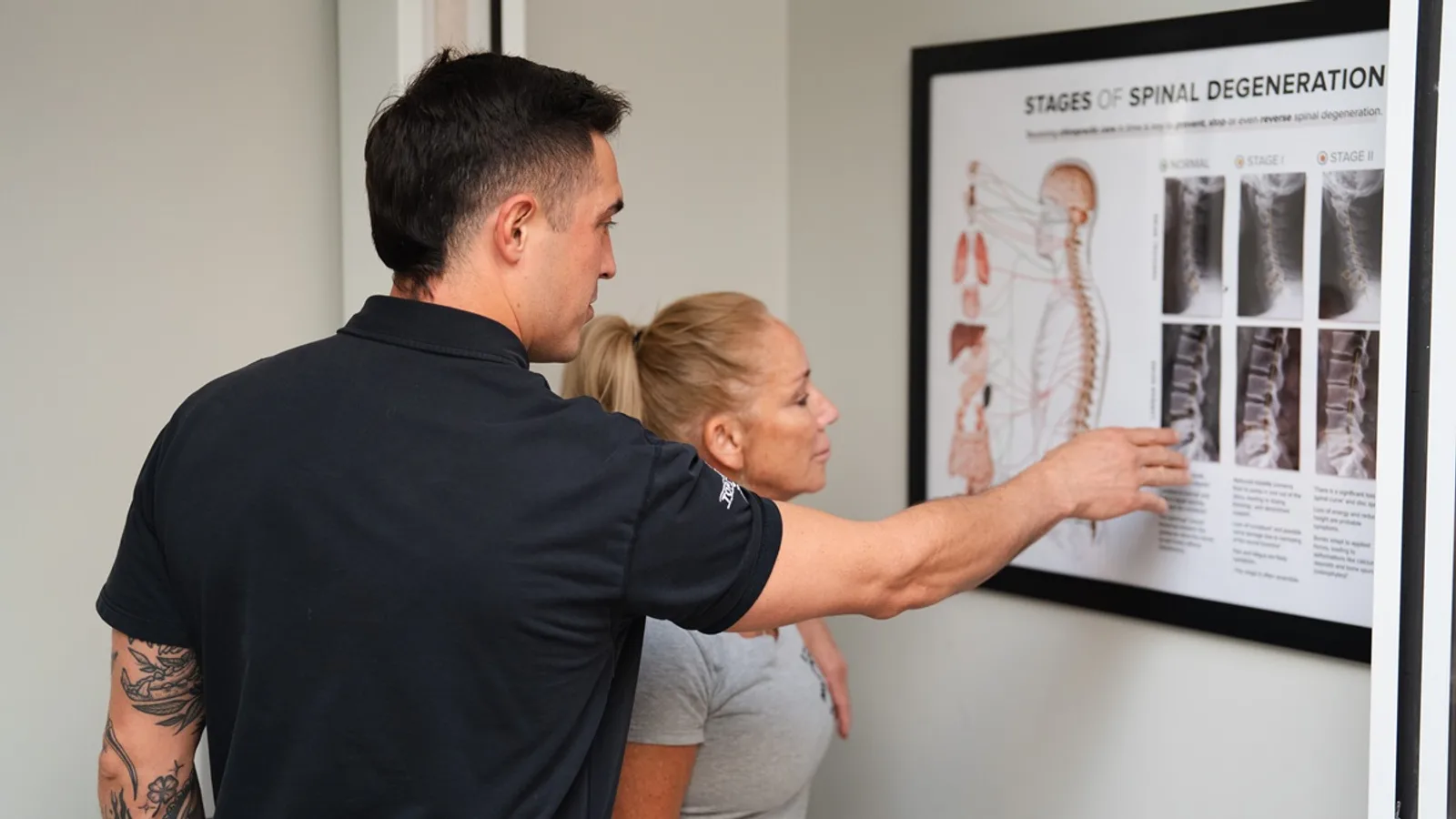
If you've ever woken up with a stiff neck, struggled through a workday with nagging lower back pain, or felt like your body just wasn't moving the way it should, you're not alone. Here in Worcester, MA, many people go about their daily lives managing discomfort that they've simply accepted as normal. But here's the truth — it doesn't have to be that way. Regular chiropractic care has helped countless people move better, feel better, and live more fully, and understanding its benefits could genuinely change the way you approach your health.
At Top Spine Chiropractic in Worcester, Dr. Evin Pingalore works with patients every day who are surprised by how much of their daily life is affected by spinal health. Whether it's your ability to sit comfortably at a desk, play with your kids, or simply get through the day without discomfort, your spine plays a bigger role than most people realize. This article is designed to help you understand what regular chiropractic care actually does for your body — and why making it a consistent part of your wellness routine can be one of the smartest investments you make in yourself.
What Is Regular Chiropractic Care?
Regular chiropractic care refers to ongoing, scheduled visits with a licensed chiropractor aimed at maintaining spinal alignment, improving nervous system function, and supporting overall musculoskeletal health. Rather than seeking care only when pain strikes, regular chiropractic visits take a proactive, preventive approach — keeping your body functioning at its best day in and day out.
Table of Contents
- What Regular Chiropractic Care Actually Does for Your Body
- How Chiropractic Care Affects Your Daily Activities
- The Connection Between Spinal Health and Your Nervous System
- Common Reasons People in Worcester Seek Regular Chiropractic Care
- How Chiropractic Care Fits Into Your Wellness Routine
- Practical Tips to Support Your Chiropractic Care
- When to See a Chiropractor
- Myths vs. Facts About Regular Chiropractic Care
- Final Thoughts
What Regular Chiropractic Care Actually Does for Your Body
Chiropractic care centers on the relationship between the spine and the rest of the body. When the vertebrae of your spine are misaligned — a condition chiropractors refer to as a subluxation — it can place stress on surrounding nerves, muscles, and joints. Over time, that stress can snowball into pain, reduced range of motion, muscle tension, and even fatigue. Chiropractic adjustments are designed to correct those misalignments, restoring proper function and relieving unnecessary strain on your body.
What makes regular care different from a one-time visit is the cumulative effect. Think of it a bit like dental hygiene. You don't brush your teeth once and expect them to stay healthy forever. Similarly, your spine is constantly subjected to physical demands — sitting, lifting, exercising, sleeping — and periodic adjustments help it stay in good working order. Dr. Evin Pingalore at Top Spine Chiropractic often emphasizes this point with new patients: consistency is what transforms chiropractic from a pain-relief tool into a genuine wellness strategy.
Beyond adjustments, regular chiropractic care often involves soft tissue work, rehabilitative exercises, and postural guidance — all working together to support long-term spinal health. It's a whole-body approach that recognizes how interconnected everything is, from your neck down to your hips and feet.
How Chiropractic Care Affects Your Daily Activities
It's easy to think of chiropractic care as something you only need when you're in pain. But the reality is that spinal health influences nearly everything you do throughout the day. When your spine is properly aligned and your muscles are balanced, your body moves more efficiently. That means less energy wasted compensating for pain or stiffness, and more energy available for the things that actually matter to you.
Consider something as simple as sitting at your desk. If your thoracic spine — the mid-back region — is restricted and rounded, it creates a chain reaction that tightens your chest, strains your neck, and compresses your lower back. After a few hours at a computer, that tension can become genuinely debilitating. Regular chiropractic adjustments help keep those spinal joints mobile, making it easier to maintain good posture without having to think about it constantly.
Physical activities are also significantly impacted. Whether you enjoy running along the trails near Green Hill Park, playing recreational sports, or simply keeping up with an active household, your body needs freedom of movement. Restricted spinal joints or tight muscles can limit your range of motion, increase your injury risk, and slow your recovery after physical exertion. Many patients at Top Spine Chiropractic in Worcester report that consistent care helps them stay more active and recover faster after physical activity.
Even sleep quality can be influenced by spinal health. Tension in the neck and upper back can make it difficult to find a comfortable sleeping position, leading to restless nights and groggy mornings. Addressing those underlying tensions through regular chiropractic care can contribute to deeper, more restorative sleep — which has a ripple effect on your mood, focus, and energy throughout the day.
The Connection Between Spinal Health and Your Nervous System
Your spine does far more than keep you upright. It houses and protects the spinal cord — the main highway of your central nervous system. Every signal your brain sends to your body, and every signal your body sends back to your brain, travels through this pathway. When spinal misalignments create pressure or irritation along that pathway, the communication between your brain and body can become disrupted.
This is why chiropractic care can have effects that seem to extend well beyond the back and neck. Patients sometimes notice improvements in areas like digestion, sleep, stress response, and even immune function after beginning regular chiropractic care. While chiropractic is not a treatment for systemic diseases, the nervous system connection helps explain why reducing spinal stress can have broad, whole-body benefits. Research published by organizations like the National Institutes of Health has explored these nervous system pathways, supporting the value of maintaining spinal integrity as part of overall health.
Dr. Evin Pingalore takes this nervous system perspective seriously at Top Spine Chiropractic, tailoring care to each patient's specific spinal findings rather than applying a one-size-fits-all approach. Understanding where nerve interference may exist and addressing it methodically is at the heart of what makes regular chiropractic care so effective for so many people in the Worcester area.
Common Reasons People in Worcester Seek Regular Chiropractic Care
People come to chiropractic care for all kinds of reasons, and in a busy city like Worcester, the demands of daily life create a wide variety of physical challenges. Some of the most common reasons patients seek out regular care at Top Spine Chiropractic include chronic lower back pain, neck stiffness from desk work or frequent device use, headaches that originate from tension in the cervical spine, and hip or shoulder discomfort that's been lingering for months.
Many Worcester residents also work physically demanding jobs that put repetitive stress on the spine — from healthcare workers on their feet all day to warehouse and construction workers lifting heavy loads. For these individuals, regular chiropractic care serves as a form of maintenance that helps prevent the small strains and misalignments from becoming serious injuries over time.
Others simply want to feel better in their daily lives. They're not in severe pain, but they feel stiff, sluggish, or like they're operating below their potential. That's a completely valid reason to explore ongoing chiropractic care — and it's one of the most rewarding populations to work with, because the improvements in quality of life can be dramatic even without a major injury as a starting point.
How Chiropractic Care Fits Into Your Wellness Routine
One of the most common questions Dr. Evin Pingalore hears from patients is, "Do I really need to keep coming back?" The answer depends on your individual health goals, lifestyle demands, and the findings from your examination. For some people, a focused course of care resolves a specific problem and they transition to infrequent maintenance visits. For others — especially those with physically demanding jobs, active lifestyles, or a history of spinal issues — more regular visits are genuinely beneficial.
At Top Spine Chiropractic, care plans are built around you as an individual. The goal is never to create dependency on chiropractic care — it's to help you achieve a level of spinal health that lets you live your life fully. That often means starting with more frequent visits to address existing issues, then gradually spacing out appointments as your body responds and stabilizes.
Chiropractic care pairs beautifully with other healthy habits. Regular movement, mindful stretching, staying hydrated, sleeping on a supportive mattress, and managing stress all complement what happens in the adjusting room. Think of chiropractic as one powerful pillar in a broader wellness framework — not a replacement for other healthy habits, but a meaningful addition to them.
Practical Tips to Support Your Chiropractic Care
Getting the most out of regular chiropractic care means supporting your body between visits. Here are some of the most practical and evidence-aligned habits that can make a real difference in how you feel day to day.
Pay attention to your sitting posture. When working at a desk, your screen should be at eye level, your feet flat on the floor, and your low back gently supported. Avoid slouching forward or craning your neck toward your screen. Setting a reminder to check your posture every 30-45 minutes can be a surprisingly effective habit to build.
Move regularly throughout the day. Prolonged static positions — whether sitting or standing — are hard on the spine. Brief movement breaks every 30-60 minutes help keep spinal joints lubricated and muscles from tightening up. Even a short walk to refill your water bottle can interrupt the cycle of postural stress.
Sleep on a supportive surface with proper pillow alignment. If you sleep on your side, a pillow that fills the space between your shoulder and head helps keep your cervical spine neutral. If you sleep on your back, a pillow under your knees can reduce lower back strain. What you do during those 7-8 hours matters enormously for spinal recovery.
Stay consistent with your care plan. Chiropractic care works best when it's given the chance to build momentum. Missing appointments or starting and stopping care frequently can slow your progress significantly. Trust the process — and communicate openly with the team at Top Spine Chiropractic if you have concerns or questions along the way.
When to See a Chiropractor
Many people wait far too long before seeking chiropractic care — often until pain becomes severe enough that it interferes with work or daily life. Ideally, chiropractic care is most effective when started early. If you've been experiencing back pain, neck stiffness, recurring headaches, or joint discomfort for more than a few days, it's worth having a professional evaluation sooner rather than later.
You don't need to be in extreme pain to benefit from chiropractic care. Feelings of stiffness, reduced flexibility, postural fatigue, or general muscular tension are all reasonable reasons to come in for an assessment. Catching spinal misalignments early often means faster resolution and less long-term impact on your daily function.
However, there are certain red flags that warrant prompt medical attention rather than chiropractic care alone. These include severe or worsening neurological symptoms like numbness or weakness in the arms or legs, loss of bladder or bowel control, pain following a significant trauma, or unexplained weight loss alongside back pain. In these situations, it's important to seek evaluation from a medical doctor or visit an emergency department right away. Dr. Evin Pingalore and the team at Top Spine Chiropractic are always happy to coordinate care with other providers when needed to ensure patients in Worcester receive the most appropriate level of care.
Chiropractic Care: Reactive vs. Regular Maintenance
| Category | Reactive Care (Pain-Only Visits) | Regular Maintenance Care |
|---|---|---|
| Timing | Only when pain becomes severe | Scheduled proactively on a consistent basis |
| Goal | Symptom relief | Symptom relief plus long-term spinal health |
| Recovery Time | Often longer due to accumulated dysfunction | Generally faster because issues are addressed early |
| Impact on Daily Life | Care interrupts daily life when pain is disruptive | Care supports daily life consistently |
| Injury Prevention | Minimal — reactive by nature | Higher — regular alignment reduces strain and risk |
| Overall Wellness Benefit | Limited to acute episode | Cumulative improvement in function and quality of life |
Myths vs. Facts About Regular Chiropractic Care
Myth: Once you start chiropractic care, you have to go forever.
Fact: This is one of the most persistent misconceptions about chiropractic. Regular care is recommended based on your individual health goals — not because you'll become physically dependent on adjustments. Many patients choose to continue with maintenance visits because they genuinely feel better, not because they have to. You are always in control of your care plan at Top Spine Chiropractic.
Myth: Chiropractic adjustments are dangerous or can cause injury.
Fact: When performed by a licensed chiropractor, spinal adjustments are considered a safe and well-tolerated form of conservative care. Serious adverse events are extremely rare. Organizations like the World Health Organization recognize chiropractic as a legitimate and generally safe approach to managing musculoskeletal conditions when performed by trained professionals.
Myth: Chiropractic care is only for back pain.
Fact: While back pain is one of the most common reasons people seek chiropractic care, it is by no means the only one. Chiropractors routinely care for patients with neck pain, headaches, shoulder discomfort, hip issues, and even conditions like carpal tunnel syndrome. Because chiropractic addresses the nervous system and musculoskeletal system broadly, its applications extend well beyond the lower back.
Myth: You should rest completely after an adjustment.
Fact: Most patients are encouraged to stay gently active after a chiropractic visit. Light walking and normal daily movement are typically recommended and beneficial. Complete bed rest is rarely appropriate and can actually slow recovery in many musculoskeletal conditions, as movement helps maintain joint mobility and circulation.
Myth: If I'm not in pain, I don't need chiropractic care.
Fact: Pain is often one of the last signals your body sends — not the first sign that something is wrong. Spinal misalignments can exist and affect your body long before pain develops. This is precisely why regular, preventive chiropractic care has value even when you feel "fine." Maintaining spinal health proactively is far easier than trying to reverse long-standing dysfunction once pain has set in.
Final Thoughts
Your spine is at the center of everything you do. It allows you to move, work, exercise, rest, and engage with the world around you. Taking care of it shouldn't be an afterthought — it should be a consistent, intentional part of how you care for your overall health. Regular chiropractic care is one of the most practical, non-invasive ways to do exactly that.
Here in Worcester, MA, the team at Top Spine Chiropractic is committed to helping members of our community feel their best — not just during a flare-up, but every single day. Dr. Evin Pingalore brings a thorough, patient-centered approach to every visit, ensuring that your care is tailored to your life, your body, and your goals. Whether you're dealing with a specific issue or simply want to invest in long-term wellness, Top Spine Chiropractic is here to help you get there. We'd love to be part of your wellness journey right here in the heart of Worcester.
Frequently Asked Questions
How often should I see a chiropractor for regular care?
The right frequency depends on your individual health needs, lifestyle, and goals. Some patients benefit from weekly visits early in care, while others do well with monthly maintenance appointments once their spine has stabilized. Dr. Evin Pingalore will assess your specific situation and recommend a schedule that makes sense for you.
Can regular chiropractic care help with stress and tension headaches?
Many patients find that regular chiropractic care helps reduce the frequency and intensity of tension-type headaches, particularly when those headaches originate from tightness and misalignment in the cervical spine. While chiropractic is not a cure for all headache types, it is a commonly recommended conservative option for cervicogenic and tension headaches.
Is chiropractic care safe for older adults?
Yes, chiropractic care can be safely provided to older adults, with adjustments modified as needed to accommodate age-related considerations like bone density or joint sensitivity. Many seniors in Worcester find that regular care helps them maintain mobility, manage arthritis-related discomfort, and reduce fall risk by improving balance and body awareness.
Will chiropractic care help me if I have a desk job?
Absolutely. Desk workers are among the most common patients seen at chiropractic practices because prolonged sitting creates significant postural strain on the spine. Regular chiropractic adjustments, combined with ergonomic guidance and movement advice, can meaningfully reduce the neck, upper back, and lower back discomfort that so often comes with sedentary work.
How long before I notice benefits from regular chiropractic care?
Some patients notice improvements within just a few visits, while others — particularly those with long-standing issues — may take several weeks before experiencing significant changes. Chiropractic care is a process, and consistency plays a major role in how quickly and fully your body responds.
Can I combine chiropractic care with other treatments like physical therapy or massage?
Yes — chiropractic care works very well alongside other conservative treatments. Massage therapy can help relax soft tissues before or after an adjustment, and physical therapy exercises can reinforce the spinal stability that chiropractic care helps establish. Dr. Evin Pingalore is happy to coordinate your care with other health professionals when appropriate.
TL;DR
- Regular chiropractic care is a proactive, preventive approach to spinal health — not just a pain-relief tool.
- A well-aligned spine supports better movement, posture, sleep quality, and overall daily function.
- The spine's connection to the nervous system means that regular chiropractic care can have broad benefits beyond just back and neck pain.
- Common myths — like needing to go forever or only going when in pain — are not supported by how chiropractic actually works.
- At Top Spine Chiropractic in Worcester, MA, Dr. Evin Pingalore creates individualized care plans to help patients achieve lasting wellness, not just temporary relief.